IWMS for financial services is an integrated workplace management system that helps Corporate Real Estate teams and finance leaders centralise occupancy, lease, maintenance, space, and portfolio data to improve cost control, reporting accuracy, and real estate decision-making across U.S. operations.
How does IWMS for financial services help Corporate Real Estate teams manage occupancy costs?
IWMS for financial services gives Corporate Real Estate teams and finance leaders a centralised view of occupancy costs, lease commitments, maintenance spending, space utilisation, and portfolio performance. This improves forecasting, supports informed real estate decisions, identifies underused assets, and aligns workplace investments with business objectives across U.S. office and branch portfolios.
How IWMS for financial services supports occupancy cost management
As workplace strategies evolve, disconnected reporting across facilities, finance, and real estate can make it difficult to understand portfolio performance. IWMS for financial services helps organisations centralise information needed for lease decisions, capital planning, workplace optimisation, and long-term portfolio management.
IWMS for financial services provides a centralised platform for tracking occupancy costs, lease obligations, space utilisation, maintenance expenses, and portfolio performance. It enables Corporate Real Estate teams and CFOs to make data-driven decisions, improve forecasting, identify underused assets, and align workplace investments with business objectives across U.S. office and branch portfolios.
Why occupancy cost visibility has become a financial priority for U.S. institutions
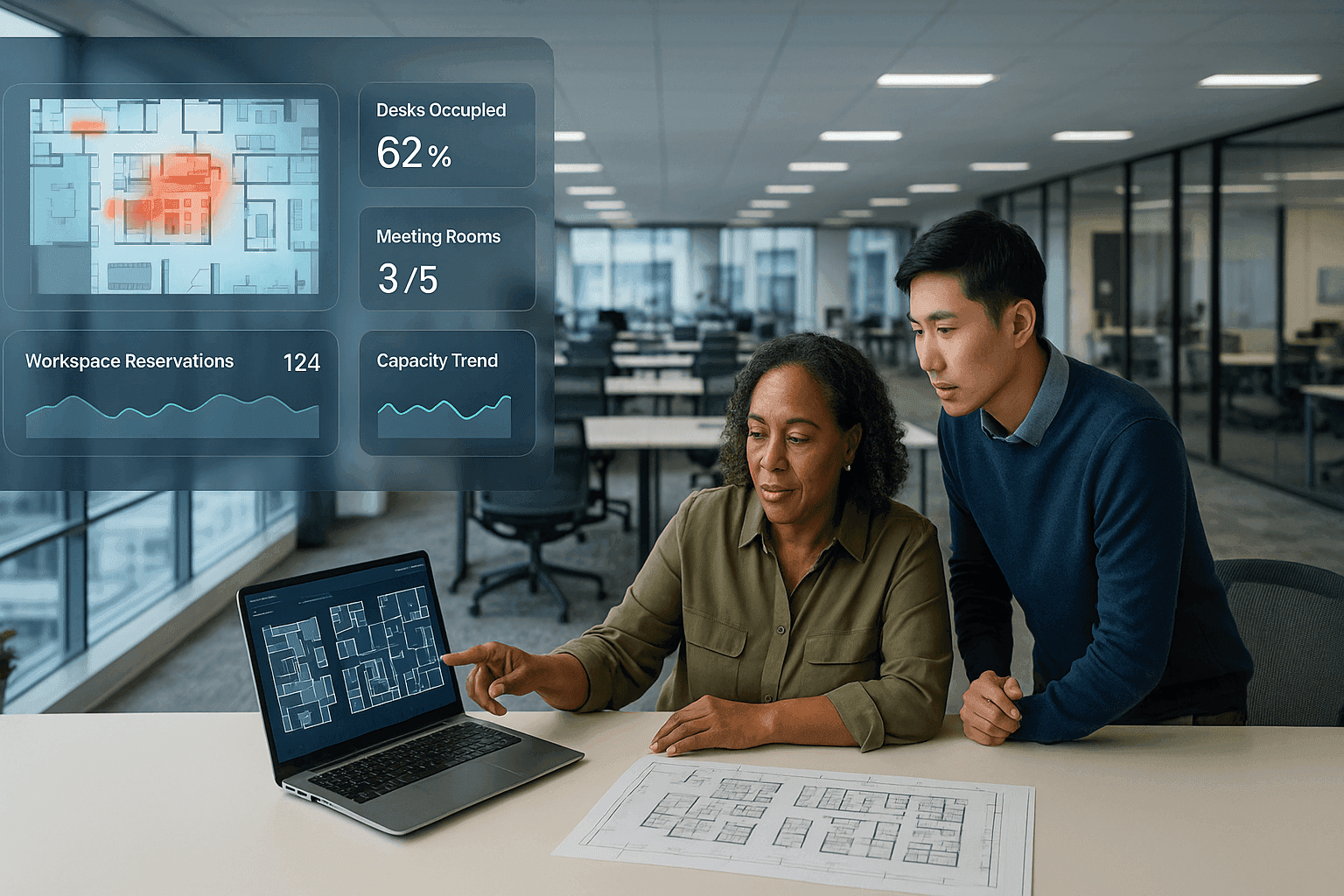
Hybrid working has changed how many U.S. financial organisations use office space. While some locations remain heavily utilised, others experience fluctuating attendance that affects occupancy costs and long-term planning. CRE teams and CFOs need reliable information to determine whether to consolidate space, renegotiate leases, or invest in workplace improvements without disrupting business operations.
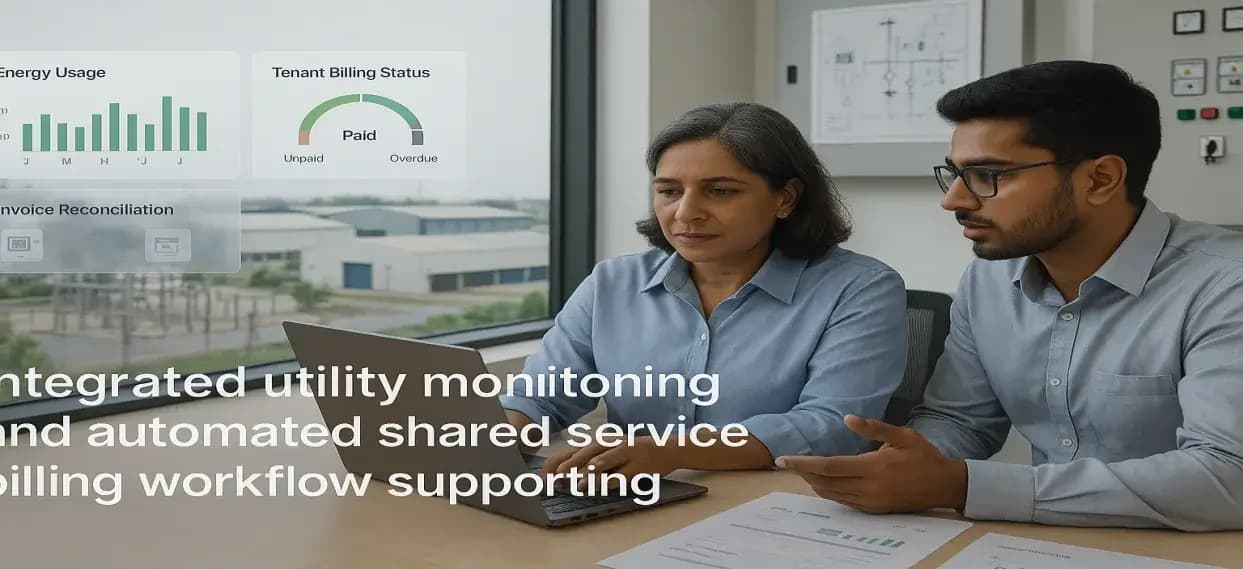
An integrated workplace management system brings together data that often sits in separate spreadsheets and business applications, reducing inconsistencies between finance, facilities, and real estate teams. This shared view supports more reliable budgeting and performance analysis across portfolios.
Common occupancy cost categories include:
- Lease expenses and renewals
- Utilities and facilities operations
- Maintenance and capital improvements
- Shared service allocations
The metrics executives increasingly monitor
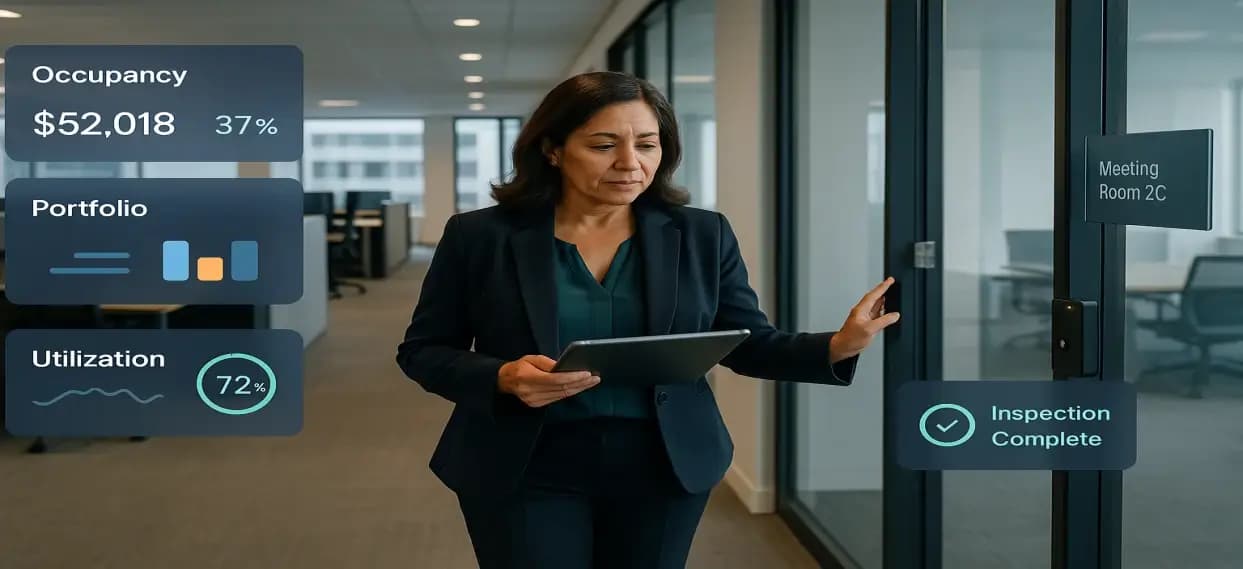
Leadership teams increasingly monitor measures that link workplace performance with financial outcomes. Typical KPIs include occupancy cost per employee, cost per square foot, portfolio utilisation, vacancy trends, lease exposure, and forecasting accuracy. Consistent reporting allows executives to evaluate performance using a single source of truth instead of reconciling multiple reports.
How IWMS for financial services connects portfolio performance with financial reporting
An integrated workplace management system consolidates information from lease administration, workplace operations, maintenance, finance, and space management into one environment. This gives CRE leaders and CFOs faster access to portfolio insights while reducing reliance on manual reporting cycles. Integration with ERP, accounting, HR, and building systems also improves data consistency and reduces duplicate data entry.
Many U.S. financial organisations connect facilities management capabilities with financial reporting to improve visibility into maintenance costs, asset performance, and operational spending. This broader view helps finance teams understand the total cost of occupying and operating each office or branch, supporting more informed investment and portfolio decisions.
Where IWMS and CAFM work together
Some financial institutions first deploy a computer-aided facilities management (CAFM) solution to improve maintenance workflows and asset tracking before expanding to enterprise-wide IWMS capabilities. CAFM continues to support work orders, preventive maintenance, and service delivery, while IWMS adds lease administration, portfolio planning, space management, and executive financial reporting.
Implementing IWMS for financial services to improve portfolio decisions
Successful implementation begins with accurate lease, asset, and space data. U.S. financial organisations often benefit from validating portfolio information before deployment, aligning reporting requirements between corporate real estate (CRE) and finance teams, and agreeing on standard executive KPIs. A phased rollout across headquarters, regional offices, and branch locations allows teams to refine processes before wider adoption.
Return on investment extends beyond lower occupancy costs. Many organisations improve forecasting, strengthen lease negotiations, reduce vacant space, accelerate executive reporting, and increase portfolio transparency. These operational improvements can help finance and real estate leaders make faster, better-informed decisions as workplace requirements evolve.
Conclusion
IWMS for financial services helps U.S. Corporate Real Estate teams and CFOs move beyond reactive reporting by providing centralised visibility into occupancy costs, lease obligations, maintenance activities, and portfolio performance. With more reliable data, organisations can make better-informed decisions about workplace investments, space utilisation, and long-term real estate strategy while improving collaboration between finance, facilities, and real estate functions.
Key Takeaways
- IWMS for financial services provides a unified source of occupancy, lease, maintenance, and portfolio data that improves cost visibility and reporting.
- The platform connects real estate, facilities, and finance information to support stronger forecasting and portfolio decisions.
- This approach improves transparency across U.S. office and branch portfolios while supporting long-term workplace and investment planning.
Ready to improve occupancy cost visibility across your U.S. real estate portfolio? See how eFACiLiTY supports Corporate Real Estate and finance teams, and schedule a demo by contacting the team through the Contact page.
FAQ
Q1. What is IWMS for financial services?
IWMS for financial services is an integrated workplace management system that helps financial institutions manage leases, space, maintenance, assets, occupancy costs, and real estate portfolios through one central platform. It supports Corporate Real Estate teams and CFOs with stronger reporting, planning, and operational decision-making across U.S. office and branch networks.
Q2. How does an integrated workplace management system improve occupancy cost reporting?
An integrated workplace management system combines lease, facilities, maintenance, and space data into consistent dashboards. This enables organisations to monitor occupancy costs, identify inefficiencies, improve forecasting, and provide executives with reliable financial reporting across multiple offices and branch locations using a shared data source.
Q3. Can IWMS integrate with existing financial and facilities systems?
Yes. Many IWMS platforms integrate with ERP, accounting, HR, procurement, and building management systems. These integrations reduce manual data entry, improve reporting accuracy, and provide a more complete view of portfolio performance, workplace operations, maintenance activity, and overall facility costs for finance and Corporate Real Estate teams.