CAFM software for military facilities is a computer-based platform that helps defence facility teams manage assets, maintenance, space, work orders, and compliance activities from a centralised system, improving operational readiness and long-term infrastructure management across U.S. military installations.
How does CAFM software for military facilities improve maintenance across military bases?
CAFM software for military facilities centralises maintenance planning, asset records, work orders, inspections, and facility information for defence operations. It helps U.S. military base teams coordinate maintenance across hangars, training ranges, utilities, and secure buildings while improving scheduling, resource utilisation, infrastructure visibility, and operational readiness through a single source of trusted facility data.
Why military bases need CAFM software for military facilities to support mission readiness
Managing complex infrastructure across diverse facility types
U.S. military installations operate a wide mix of facilities with very different maintenance requirements. Aircraft hangars depend on reliable environmental systems and large access doors, training ranges require scheduled inspections and repairs, while utilities, administrative buildings, accommodation, warehouses, and secure facilities each follow distinct maintenance programmes.
A CAFM platform supports preventive maintenance by automatically scheduling recurring work, tracking inspection histories, and recording asset performance. Having complete maintenance records in one place enables facility managers to identify recurring issues, prioritise replacements, and support informed capital planning without searching across multiple systems.
Supporting maintenance planning with centralised data
A computer-aided facilities management system reduces information silos by bringing maintenance activities into a shared operational environment. Digital work orders, preventive maintenance schedules, technician assignments, and asset tracking allow engineering, facilities, and operations teams to coordinate more effectively across large U.S. military bases.
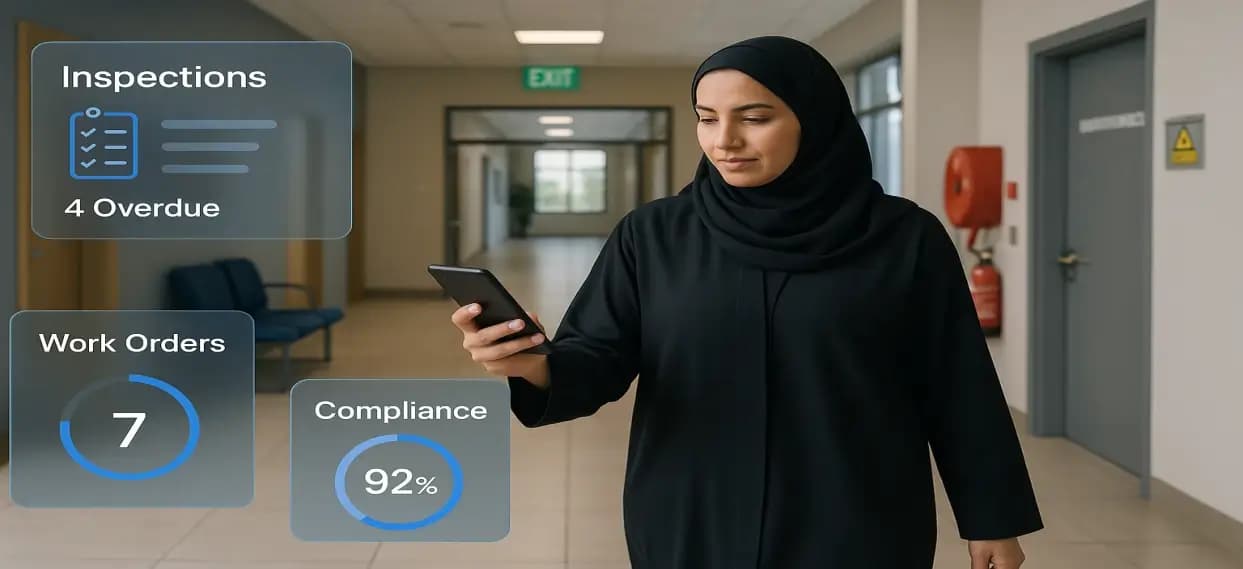
Mobile access also enables authorised personnel to receive work requests, complete inspections, upload photographs, and close work orders while in the field, reducing administrative delays and improving reporting accuracy.
How integrated facility platforms strengthen defence maintenance operations
Connecting maintenance, assets, space, and operational information
Military organisations often gain greater value when CAFM operates alongside broader facility technologies instead of functioning as a standalone application. Depending on operational requirements, a facility management platform may exchange appropriate information with enterprise asset management systems, geographic information systems, building automation platforms, IoT sensors, and other authorised systems.
Broader facilities management software or an integrated workplace management system may also support portfolio planning, capital projects, workplace services, and space management. Any deployment should align with applicable U.S. defence security requirements and organisation-specific governance processes.
Using CAFM software for military facilities to improve decision-making
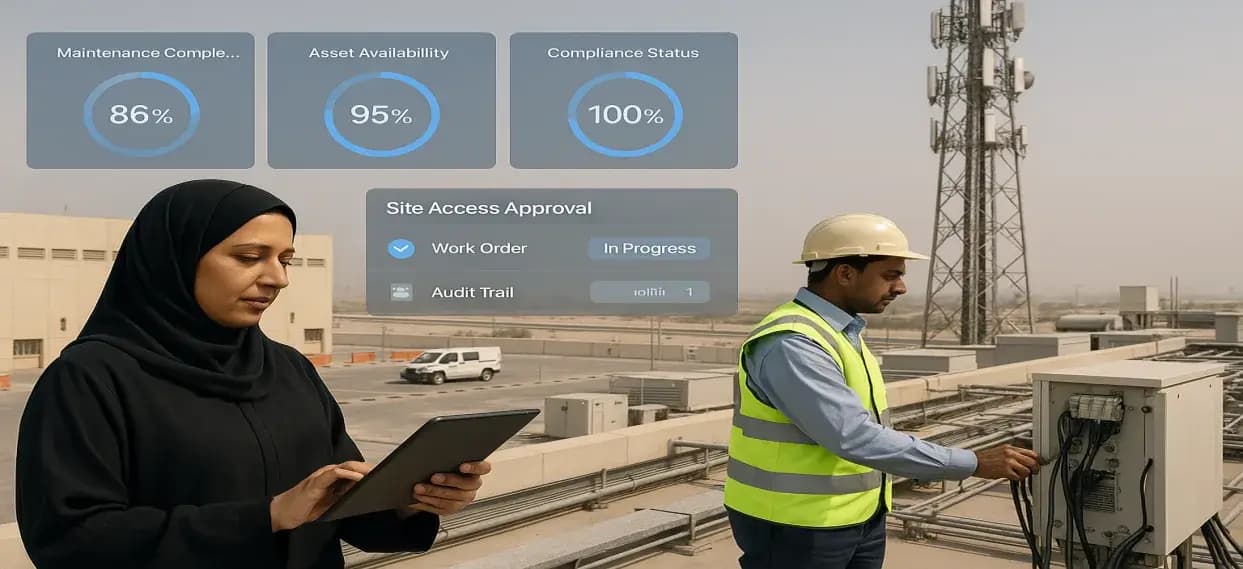
Real-time dashboards provide facility managers with visibility into maintenance backlogs, asset availability, contractor activity, labour utilisation, and preventive maintenance completion. During periods of increased operational demand, teams can prioritise mission-critical infrastructure such as airfields, power systems, communications facilities, and hangars while rescheduling lower-priority work where appropriate.
This data-driven approach helps maintenance leaders allocate resources more effectively, monitor performance trends, and make informed decisions that support infrastructure resilience over the long term.
Best practices for implementing CAFM software for military facilities on U.S. bases
Successful implementation usually starts with a verified asset inventory and standardised maintenance workflows. Many organisations achieve stronger adoption by digitising preventive maintenance for mission-critical assets before expanding into mobile inspections, space management, analytics, and advanced reporting.
Effective governance is equally important. Consistent asset naming, accurate maintenance records, user training, and reliable reporting processes improve data quality and encourage long-term system adoption. Performance can then be measured using indicators such as asset uptime, preventive maintenance completion rates, maintenance backlog reduction, labour utilisation, and lifecycle cost trends to assess ongoing operational improvements.
Conclusion
CAFM software for military facilities provides U.S. military base operations with a structured approach to managing diverse infrastructure while improving maintenance visibility, asset reliability, and operational readiness. By centralising maintenance information, integrating with authorised facility technologies where appropriate, and introducing capabilities through a phased implementation strategy, organisations can strengthen infrastructure resilience and support long-term mission requirements.
Key Takeaways
- CAFM software for military facilities centralises maintenance records, inspections, and work orders to improve operational visibility across U.S. military bases.
- The platform supports mission readiness by connecting maintenance workflows with asset, space, and broader facility management processes.
- This approach improves long-term planning through lifecycle reporting, preventive maintenance, and better-informed infrastructure investment decisions.
Discover how eFACiLiTY helps facility teams manage complex maintenance across mission-critical environments. Contact us to learn how a modern CAFM platform can support your operational goals.
FAQ
Q1. What is CAFM software for military facilities?
CAFM software for military facilities is a digital platform that helps defence facility teams manage maintenance, assets, work orders, inspections, space, and operational information from a centralised system. It improves maintenance planning, resource coordination, reporting, and infrastructure visibility across complex U.S. military installations.
Q2. How is CAFM different from an integrated workplace management system?
CAFM focuses primarily on maintenance, asset management, space, and day-to-day facility operations. An integrated workplace management system typically expands those capabilities to include real estate, capital planning, workplace services, and broader portfolio management. Many organisations use both as part of a connected facilities strategy.
Q3. What should U.S. military base operations teams consider before implementing CAFM?
Implementation should begin with accurate asset data, standardised maintenance processes, stakeholder engagement, security planning, and phased deployment. Organisations should also assess integration needs, reporting requirements, mobile workforce support, and applicable internal security and compliance obligations before rolling out the platform.