BMS contractors across the USA are under increasing scrutiny to deliver maximum uptime, energy efficiency, and cost control for building owners. As expectations mount and compliance pressures grow, asset managers need to move beyond manual monitoring and reactive maintenance approaches. The right technology is now central to minimising failures and streamlining building operations.
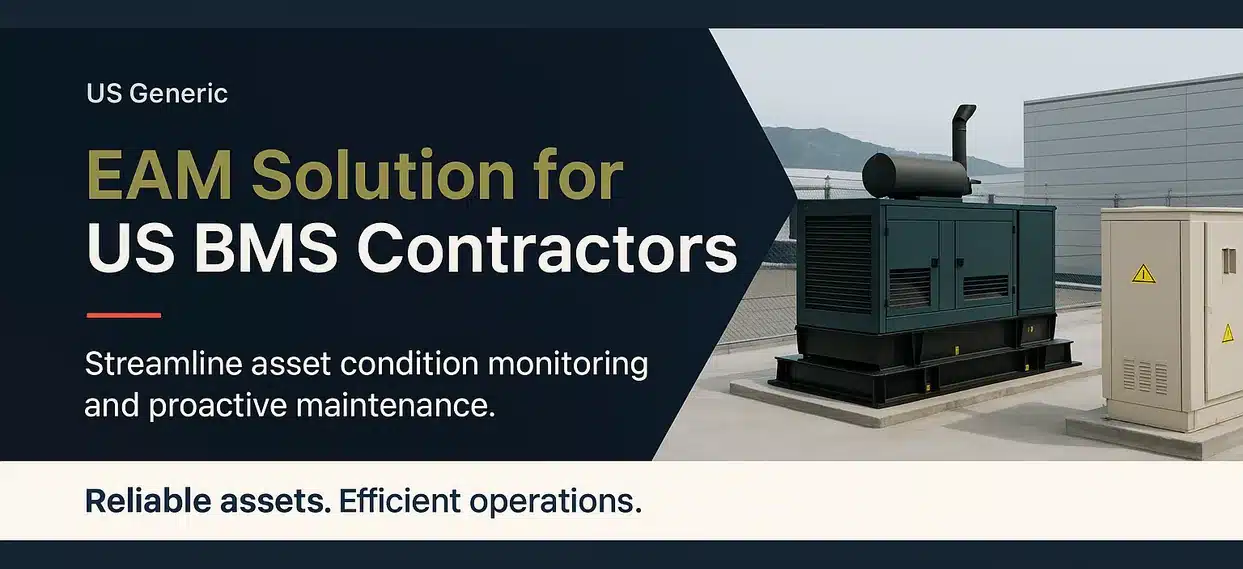
EAM Solution is an enterprise asset management platform that helps BMS contractors in the USA monitor building asset conditions and streamline maintenance needs for improved reliability and cost control.
What is an EAM Solution for BMS Contractors?
An EAM Solution for BMS contractors is a digital platform that centralises asset data, tracks building asset conditions, and schedules maintenance proactively. It enables contractors and asset managers in the USA to optimise building operations, reduce failures, and comply with industry standards.
Why Asset Condition Monitoring Matters for US BMS Contractors
Operational and Compliance Challenges for US BMS Contractors
BMS contractors in the United States are responsible for overseeing complex HVAC, lighting, and security systems across a diverse range of building types and climates. Relying only on manual inspections or reactive maintenance exposes these contractors to significant risks, such as missed early signs of asset deterioration, unexpected equipment breakdowns, and potential breaches of local compliance requirements.
- Manual processes increase the risk of undetected asset faults and compliance gaps
- Asset condition visibility is limited without digital monitoring tools
How EAM Solution Transforms Asset Condition Monitoring
An EAM Solution addresses these challenges by offering continuous, data-driven visibility into the health of critical systems. By leveraging real-time asset condition monitoring, contractors can detect inefficiencies, wear, or faults early, empowering teams to prioritise maintenance, allocate resources efficiently, and prevent minor issues from escalating into costly failures.
- Real-time monitoring enables early detection of asset deterioration
- Automated alerts and analytics facilitate proactive intervention
Integration with a computer-aided facilities management (CAFM) system or a computerised maintenance management system (CMMS) further automates the process. Real-time data can trigger work orders as soon as a potential problem is detected, ensuring maintenance teams act before asset performance is compromised or compliance requirements are at risk. This supports operational excellence and enhances client satisfaction throughout the contract lifecycle.
Core Capabilities of EAM Solutions for Asset Maintenance Needs
Real-Time Monitoring, Predictive Maintenance, and AI/ML Applications
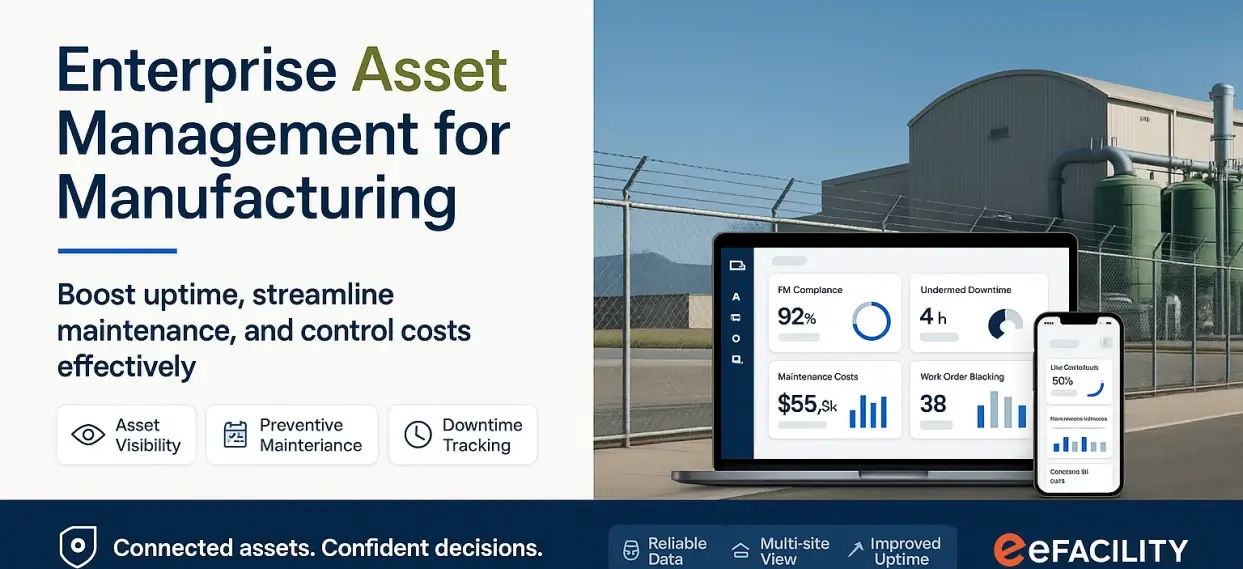
A leading EAM Solution provides BMS contractors and asset managers with a unified dashboard, consolidating asset health indicators, maintenance histories, and performance metrics. This real-time visibility enables better decision-making and rapid identification of trends or anomalies across the entire asset portfolio.
- Unified dashboards centralise asset health and maintenance data
- Predictive maintenance powered by AI/ML forecasts potential failures
- Mobile access and automated notifications enhance field operations
Predictive maintenance, powered by artificial intelligence (AI) and machine learning (ML), is a transformative feature. By analysing continuous data streams from sensors, maintenance records, and operational trends, the system can forecast potential failures and recommend targeted interventions—enabling a shift from scheduled routines to condition-based maintenance.
There are common misconceptions regarding AI/ML in buildings and predictive maintenance. While AI/ML delivers actionable insights and notable cost savings, its effectiveness depends on robust data quality and seamless integration with existing BMS and CAFM platforms. Relying on incomplete data or immature AI models can create a false sense of security, so successful deployments focus on data integrity and interoperability from the outset.
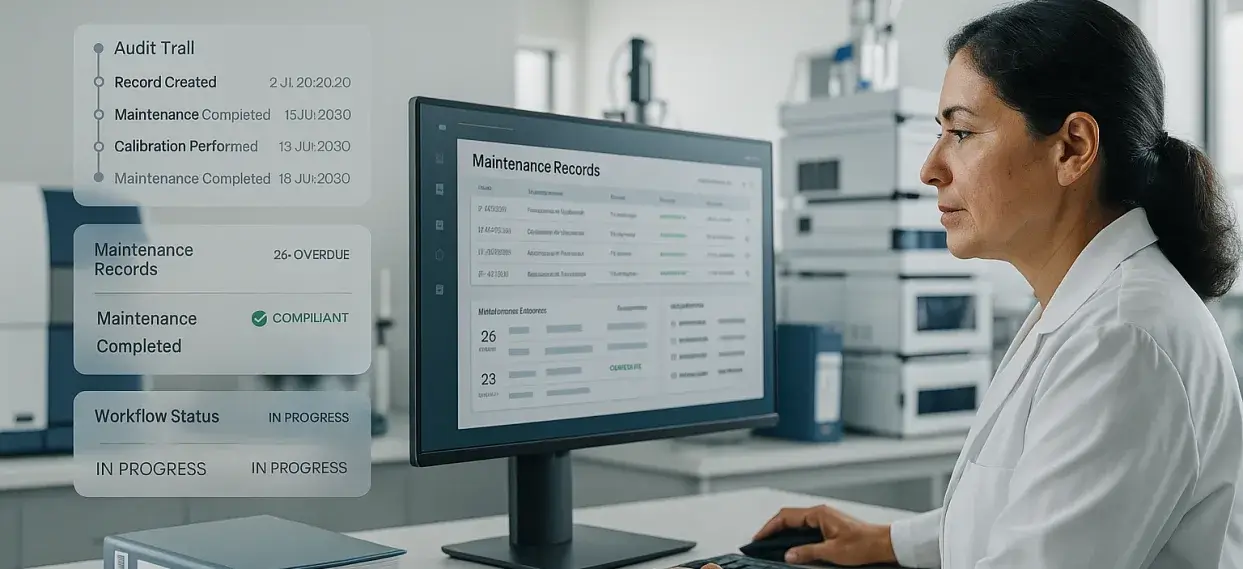
Mobile access and automated notifications further strengthen field operations. Maintenance staff receive real-time alerts and task assignments wherever they are, increasing responsiveness and accountability. Integration with CMMS ensures work orders, asset histories, and compliance documentation remain up to date, reducing manual effort for both contractors and asset managers.
Implementing an EAM Solution: Best Practices for BMS Contractors in the USA
Steps from Evaluation to Enterprise Rollout
For US BMS contractors, successful EAM Solution adoption begins with a focused pilot, targeting high-impact assets or mission-critical facilities. This approach enables teams to validate system integrations, test operational workflows, and quantify business returns before scaling up.
- Initiate a pilot with high-value or critical assets
- Validate integration with BMS, CMMS, and enterprise applications
- Deliver comprehensive training for all operational teams
- Incorporate US-specific compliance reviews and reporting
- Establish feedback loops and continuous monitoring post-implementation
Seamless integration is vital—your EAM Solution must connect with building management systems, CMMS tools, and other enterprise software. This interoperability streamlines data exchange and ensures a comprehensive view of asset health and maintenance requirements.
Comprehensive training is equally important. Teams should be empowered to use EAM dashboards, leverage CAFM system features for efficient HVAC maintenance, and set up automated workflows for continuous asset condition monitoring. Regular reviews of compliance and reporting obligations specific to US building services should be integrated into the rollout plan, ensuring the solution supports all necessary standards and frameworks.
Continuous monitoring and structured feedback loops are essential post-implementation. These practices allow contractors to refine the solution, address adoption challenges, and maximise operational value as the EAM platform scales across the organisation.
Conclusion
Implementing an EAM Solution enables US BMS contractors to transition from reactive to predictive maintenance, reducing costs, improving reliability, and enhancing operational transparency. By combining real-time asset condition monitoring, AI-driven analytics, and robust maintenance scheduling, contractors and asset managers can deliver superior service and extend asset lifecycles. For the US building services sector, investing in an advanced EAM platform is a strategic move that drives long-term competitiveness and efficiency.
Key Takeaways
- EAM Solution empowers BMS contractors in the USA to achieve proactive asset condition monitoring by consolidating data and automating critical alerts.
- The platform supports significant reductions in unplanned downtime and maintenance costs through predictive analytics and seamless CMMS integration.
- EAM Solution enhances compliance and operational transparency, equipping asset managers to meet US industry standards and client expectations.
Looking to transform your asset monitoring and maintenance strategy? Explore how an EAM Solution can give your BMS contracting business a competitive edge. Schedule a demo to see the difference.
FAQ
Q1. What is an EAM Solution?
An EAM Solution is an enterprise asset management platform designed to help BMS contractors and asset managers in the USA monitor building asset conditions, optimise maintenance schedules, and enhance asset lifecycle performance across various facility types.
Q2. How does an EAM Solution integrate with a computerised maintenance management system (CMMS)?
EAM Solutions commonly feature seamless integration with CMMS software, allowing for automated work order creation, real-time sharing of asset data, and unified dashboards that streamline maintenance planning and execution processes for US building contractors.
Q3. What are the main benefits of using AI/ML in predictive maintenance for building assets?
AI/ML in predictive maintenance enables BMS contractors to forecast equipment failures, prioritise interventions, and minimise unnecessary servicing. However, success relies on high-quality data and tight integration with existing building management systems to ensure meaningful, actionable outcomes.