Introduction
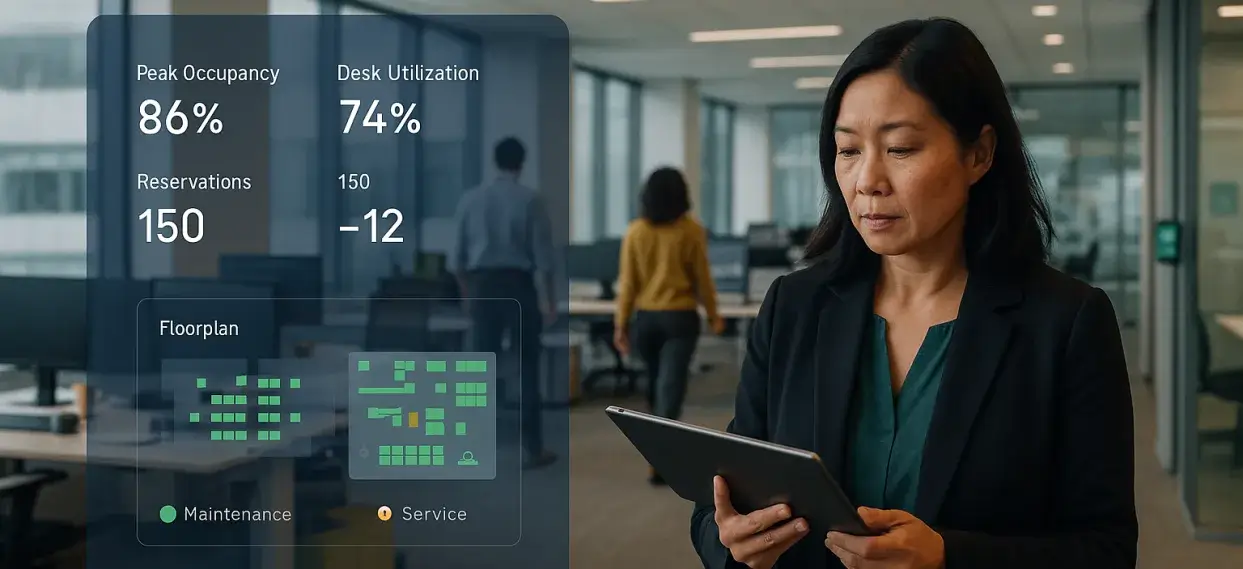
Procurement officers in Qatar are not simply buying an FM application. They may need to support HVAC-intensive buildings, high-value mechanical, electrical and plumbing (MEP) assets, multiple sites, outsourced service providers and contractual service-level agreements (SLAs), while maintaining a clear audit trail for expenditure. A polished demonstration alone cannot establish whether a platform will meet these requirements economically throughout its lifecycle, so procurement should evaluate technology, implementation, interoperability, supplier capability, governance and total cost together. Qatar-specific hosting, contractual and compliance requirements should be validated with the organisation’s legal, IT and compliance teams before inclusion in a tender.
Computer aided facility management software is a digital platform that centralises asset, maintenance, space, contractor and service data, helping procurement and facilities teams control lifecycle costs, monitor supplier performance and make evidence-based facility decisions.
How does computer aided facility management software help procurement officers in Qatar?
Computer aided facility management software helps procurement officers in Qatar centralise asset, maintenance, contractor, SLA and cost data. It strengthens tender specifications, supplier evaluation, lifecycle cost analysis and auditable reporting, enabling procurement teams to select suppliers, monitor outsourced FM contracts and improve commercial oversight across complex property portfolios.
Why procurement officers need computer aided facility management software beyond a feature checklist
A successful CAFM tender should translate operational outcomes into testable requirements. For a Qatar property portfolio, these can include asset hierarchies for major MEP equipment, preventive and reactive maintenance, work-order routing, SLA escalation, contractor management, mobile execution, document control and configurable reporting.
The required scope matters as much as the terminology. An integrated workplace management system (IWMS) can extend beyond core CAFM into real estate, lease, space and workplace processes. Integrated facility management software may also support coordination across multiple contracted services. Buyers should therefore procure against required workflows and outcomes rather than an acronym.
Requirements also vary by facility type. Education facility management may involve campus-wide asset inventories, classroom and space utilisation, maintenance continuity and multiple buildings. Commercial, hospitality and other high-occupancy properties may place greater emphasis on rapid fault resolution, service continuity and HVAC availability.
Procurement risks hidden behind computer aided facility management software demonstrations
Scripted demonstrations can obscure lifecycle costs and implementation constraints. Procurement teams should require bidders to demonstrate data migration, integrations, offline or mobile workflows, reporting configuration and data export rather than treating them as implied capabilities. Data ownership, retention and exit rights should also be defined contractually.
Pricing needs similar scrutiny. Per-user, per-site and module charges can change total cost significantly as a Qatar portfolio expands. Integration work, configuration, additional licences, storage and support should be identified before award rather than emerging later as change requests.
Computer aided facility management software capabilities and integrations to specify
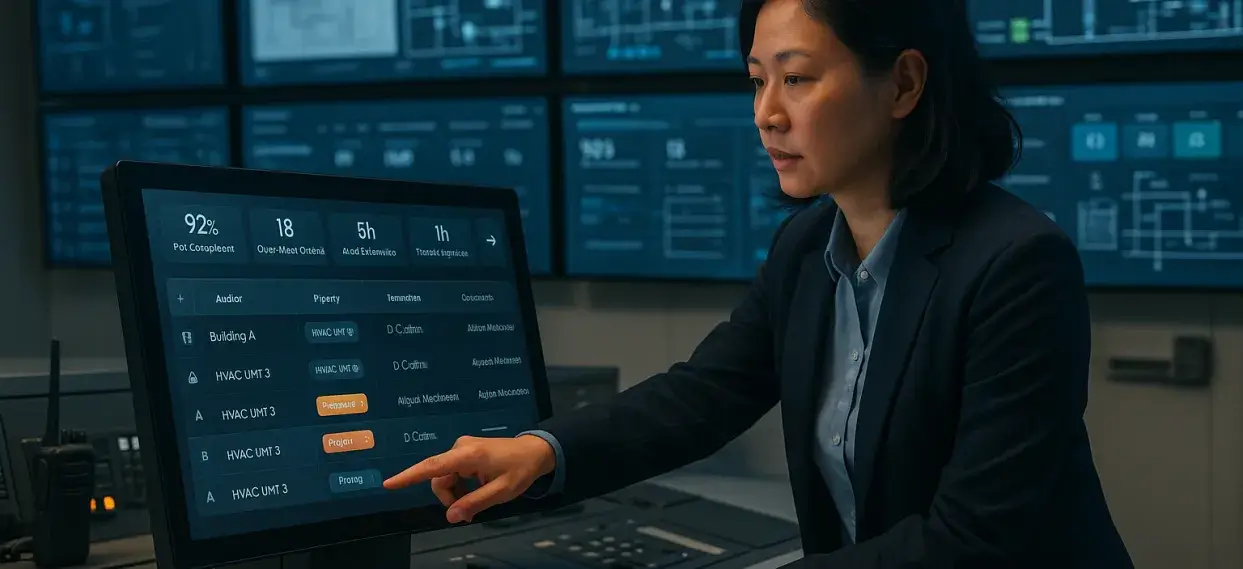
RFP requirements should describe measurable workflows rather than simply ask whether facilities management software "supports maintenance". For example, bidders could be required to process a reactive HVAC fault from logging and prioritisation through SLA-based assignment, technician updates, parts consumption, verification and closure.
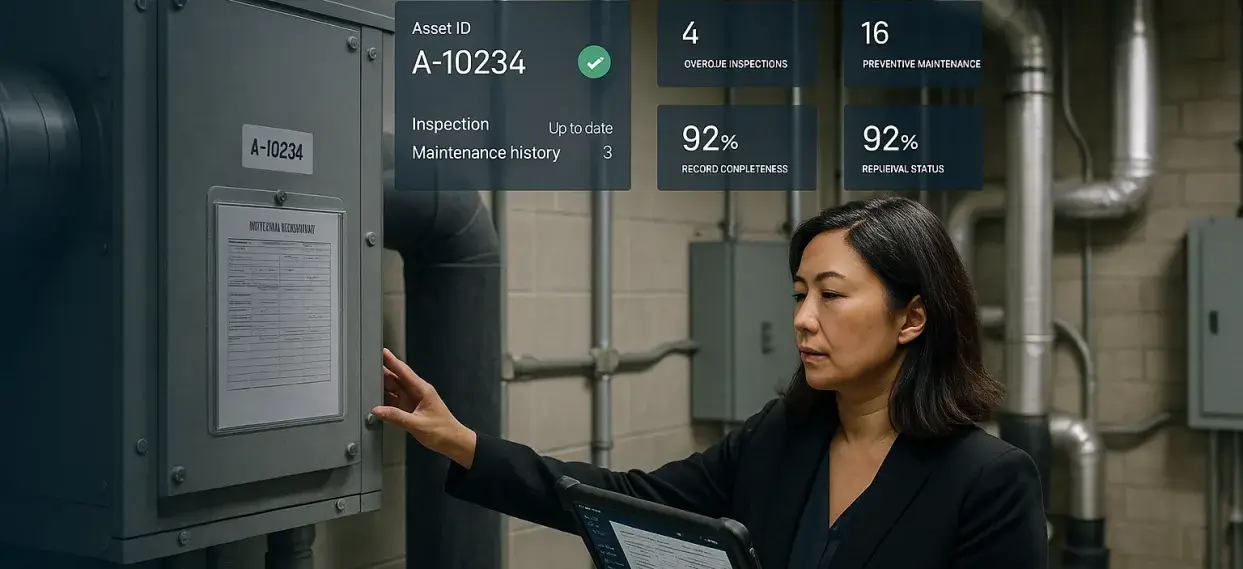
This scenario reveals whether the facility management platform creates a complete operational record suitable for supplier assessment and audit. Similar tests can cover asset lifecycle histories, inspections, inventory, contractor performance, dashboards, space information and reporting.
For portfolios using several outsourced providers, the system should preserve clear responsibilities and consistent SLA measurement across service boundaries. Procurement teams can then compare contracted performance with actual response, resolution and completion records.
Enterprise interoperability and implementation requirements
Required interfaces with ERP and procurement systems, finance, HR, building management systems (BMS), IoT platforms and access control should be identified before bidders price their proposals. An API alone is insufficient. Suppliers should explain data direction, transfer frequency, monitoring, responsibility for interface failures and implementation costs.
Security due diligence should address role-based access, identity controls, backups, business continuity, data portability and available hosting arrangements. Arabic and English usability, mobile operation and scalability should also be tested where required by the organisation. Any Qatar-specific data, contractual or compliance obligations should be independently verified before tender publication.
How to evaluate computer aided facility management software vendors, ROI and implementation in Qatar
Licence price represents only part of total cost of ownership (TCO). Qatar procurement teams should model implementation, configuration, integrations, data cleansing and migration, training, support, upgrades, mobile users, additional sites and likely future modules.
Vendor scoring can then assess functional fit, interoperability, security, implementation capability, support arrangements, relevant references, scalability, TCO and contractual data-exit provisions. This approach makes supplier comparisons more consistent and reduces reliance on demonstration quality or headline subscription prices.
ROI also requires a pre-award baseline. Appropriate measures may include preventive-maintenance completion, asset uptime, response and resolution times, contractor SLA attainment, labour productivity and asset-lifecycle performance. Energy-related outcomes should only be attributed to CAFM where the platform and connected systems provide suitable, reliable data.
From computer aided facility management software vendor demonstration to operational acceptance
Each bidder should complete the same scenario-based demonstrations. An HVAC failure, for example, can be tested from request creation and SLA escalation through technician action, parts consumption, verification and management reporting.
Implementation responsibilities should then become contractual deliverables, covering discovery, data cleansing, configuration, integration, user acceptance testing, role-based training, pilots and rollout governance. Acceptance criteria should verify data completeness, workflows, permissions, integrations, reports and mobile execution before final sign-off.
After deployment, procurement, FM, IT, finance and service providers should periodically review support SLAs, adoption, releases and realised value.
Conclusion
Procuring computer aided facility management software in Qatar is a lifecycle business decision rather than a simple IT purchase. Outcome-based RFP requirements, interoperability testing, transparent TCO, measurable acceptance criteria and rigorous supplier due diligence can help procurement teams select a platform capable of supporting current FM contracts while scaling with future sites, automation and reporting requirements.
Key Takeaways for Computer Aided Facility Management Software Procurement
- Computer aided facility management software connects asset, maintenance, supplier, SLA and cost information to strengthen sourcing and contract management.
- The platform reduces lifecycle procurement risk by making integrations, data ownership, scalability, security and total cost testable before contract award.
- A workflow-based procurement approach establishes operational baselines, supplier KPIs and acceptance criteria that can be measured after implementation.
See how eFACiLiTY can support asset, maintenance, workplace, contractor, integration and reporting requirements across complex Qatar portfolios. Schedule a demo to discuss your procurement requirements.
FAQ
Q1. What is computer aided facility management software?
Computer aided facility management software is a digital system for managing facility assets, maintenance, work orders, spaces, contractors and operational information. It gives procurement and facilities teams a shared environment for monitoring service delivery, analysing lifecycle costs, maintaining audit trails and making evidence-based decisions across individual buildings or multi-site property portfolios.
Q2. What should procurement officers include in a CAFM software RFP?
A CAFM software RFP should define required workflows, integrations, asset management, maintenance processes, SLA reporting, mobile access, security, migration, permissions, training and support. Procurement teams should also specify lifecycle pricing, data ownership and exit provisions, implementation responsibilities and scenario-based demonstrations that reflect realistic facility operations within their Qatar property portfolio.
Q3. How should procurement teams calculate the total cost of a CAFM system?
Procurement teams should assess more than licence or subscription fees. Total cost of ownership should include implementation, configuration, integrations, data cleansing and migration, training, support, additional users or sites, upgrades and future modules. These costs should then be assessed against predefined maintenance, productivity, asset-performance and contractor-SLA outcomes.